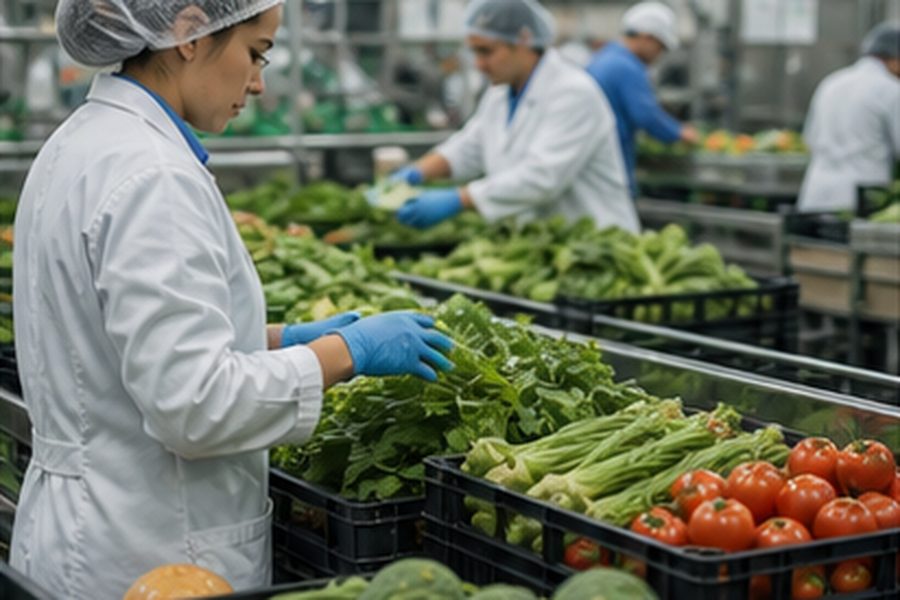
The industrial hemp sector has long been characterised by a fundamental mismatch: strong end-market demand for fibre, hurd, seed and cannabinoids, but chronic underinvestment in the primary processing infrastructure required to convert raw hemp stalks into usable industrial inputs. This processing bottleneck has constrained supply, depressed farm-gate prices and limited the growth of downstream industries such as bioplastics, construction materials, textiles and nutraceuticals.
A growing number of mid-market manufacturers are now moving to capture margin by building regional decortication and refining capacity. Their thesis is that early investment in processing infrastructure, ahead of anticipated regulatory harmonisation, will yield a durable competitive advantage as the market matures.
The Nature of the Bottleneck
Industrial hemp processing is not a single step. The raw stalk must first be decorticated, a mechanical process that separates the outer bast fibre from the inner woody hurd. Both fractions have commercial value, but each requires further refining: bast fibre for textiles, composites and specialty papers; hurd for animal bedding, hempcrete, bioplastics and chemical feedstocks. Seed and flower fractions require separate extraction and refining lines.

The bottleneck is most acute at the decortication stage. Traditional decortication equipment has been slow, energy-intensive and prone to mechanical failure when processing variable-quality feedstock. Many existing facilities operate at well below nameplate capacity. The result is a supply chain where farmers struggle to sell their crop at viable prices, while downstream buyers pay a premium for inconsistent, limited volumes of processed material.
Why Mid-Market Manufacturers Are Moving
Large agricultural commodity processors have been cautious, deterred by regulatory uncertainty, variable crop quality and the capital intensity of building dedicated hemp processing lines. Small artisan processors lack the scale to serve industrial buyers. This has created a gap that mid-market manufacturers, typically with revenues between £10 million and £100 million, are now filling.
These manufacturers share several characteristics: existing expertise in mechanical processing or agricultural commodities; access to capital for plant and equipment; and a willingness to accept medium-term payback periods. They are building facilities close to hemp-growing regions to minimise transport costs and feedstock spoilage. Some are integrating vertically, contracting directly with farmers to secure supply and standardise quality.
Commercial Impact
The commercial logic is straightforward. By owning the processing stage, manufacturers capture the margin between the farm-gate price of raw hemp and the wholesale price of refined fractions. Current estimates, based on industry reports and facility economics, suggest that decortication and basic refining can add 40-60% to the value of raw hemp stalk. Further refining into specialty products such as high-purity CBD isolate or nano-cellulose can multiply value several times over.
Regional capacity also reduces logistics costs. Raw hemp is bulky and expensive to transport. Processing it close to the farm gate reduces the weight and volume by roughly 70%, making onward shipment to industrial customers economically viable. This geographic advantage is difficult for distant competitors to replicate.
Regulatory Harmonisation as a Catalyst
The regulatory environment for industrial hemp remains fragmented. In the United States, the 2018 Farm Bill removed hemp from the Controlled Substances Act, but the Food and Drug Administration has not established a clear regulatory pathway for hemp-derived cannabinoids in food and dietary supplements. In the European Union, the Novel Food Regulation applies to CBD extracts, creating a costly approval process. Other jurisdictions have their own rules.
There is growing momentum toward harmonisation. The Codex Alimentarius is developing international standards for hemp seed and hemp seed products. The European Commission is reviewing its Novel Food stance. In the US, bipartisan congressional bills have proposed clarifying FDA authority over hemp-derived compounds. If harmonisation proceeds, it will open larger, more liquid markets for processed hemp fractions, benefiting those who already have capacity in place.
Risks and Unknowns
Investing ahead of regulatory clarity carries obvious risks. If harmonisation is delayed or takes an unfavourable form, early movers may be left with underutilised capacity. Crop quality and consistency remain challenges: hemp is not yet bred and cultivated with the uniformity of commodity crops like corn or soy. Processing equipment continues to evolve, and a facility built today may be technologically obsolete within five years.
There is also the risk of overcapacity. If many mid-market manufacturers build processing plants simultaneously, the margin compression that currently benefits processors could shift back to farmers or downstream buyers. The market for processed hemp fractions is still relatively small, and demand growth may not keep pace with new supply.
FY Outlook
The industrial hemp processing bottleneck will not be resolved quickly. Large-scale commodity processors are unlikely to enter the market until regulatory harmonisation is further advanced and crop quality improves. Small artisan processors will remain niche. Mid-market manufacturers therefore have a window of opportunity, probably lasting three to five years, in which to establish regional capacity, build customer relationships and refine their processes.
Those that succeed will be well positioned to benefit from the next phase of market development. Those that overextend, or build capacity in regions with weak feedstock supply or unfavourable regulation, may struggle. The key variables to watch are regulatory progress in major markets, improvements in hemp breeding and agronomy, and the pace of demand growth from downstream industries such as bioplastics and construction.
Conclusion
The industrial hemp processing bottleneck represents a genuine commercial opportunity for mid-market manufacturers with the capital, expertise and risk appetite to build regional decortication and refining capacity. The window is open but not indefinite. Success will depend on disciplined execution, careful site selection and a realistic assessment of regulatory and market risks. For commercially curious readers tracking the industrial hemp value chain, this is a segment worth watching closely.
Why It Matters
The industrial hemp processing bottleneck has constrained supply and depressed farm-gate prices, limiting the growth of downstream industries. Mid-market manufacturers building regional decortication and refining capacity are capturing margin that larger processors have left on the table, positioning themselves to benefit from anticipated regulatory harmonisation. Understanding this dynamic is commercially relevant for investors, operators and buyers across the hemp value chain.